New Partnerships, Research, and a Few Adventures Along the Way
Over the past few months, we've launched new partnerships, trained facilitators across Ecuador, welcomed research collaborators, and had opportunities to share our work internationally. Here are a few highlights. Bringing Care to More Corners of Ecuador One of our...
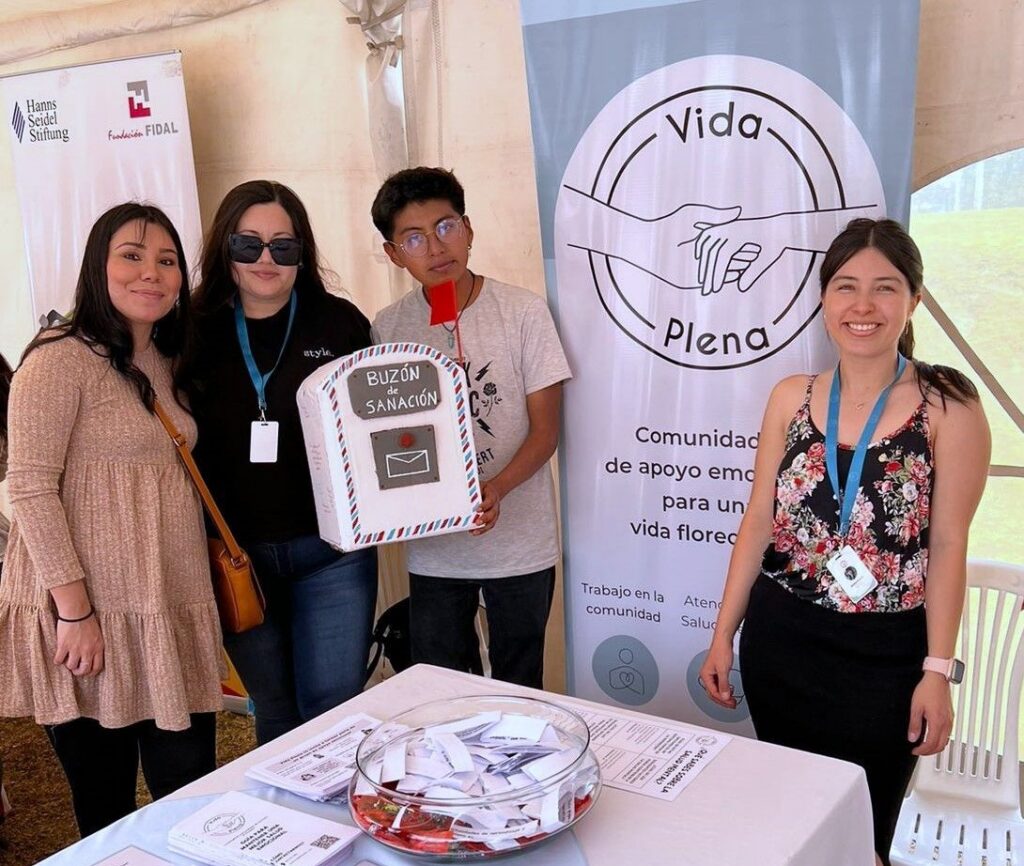
Team retreat: reflections and planning tastes better with marshmallow s’mores
Liked a worried mother hen, I counted heads as the team climbed into the public bus, off to our retreat in the Andean countryside – the smoking Cotopaxi Volcano warnings be damned. Two days of togetherness to collect our reflections from the pilot last fall, and dream...
How much good can happen for $17?
When I created Vida Plena, it was clear that one of our key principles needed to be the thoughtful use of the resources entrusted to us. I’ve been part of too many organizations in the past that – while based on good intentions – really had no way of knowing how much...
Thank you for being our community
Can’t believe we’ve just closed out the year….And what year it’s been. I occasionally keep a journal, and last year’s January 1 entry read, “Ok, I think this is the year to really make this happen.” But in that moment there still wasn’t anything yet – a single dollar...
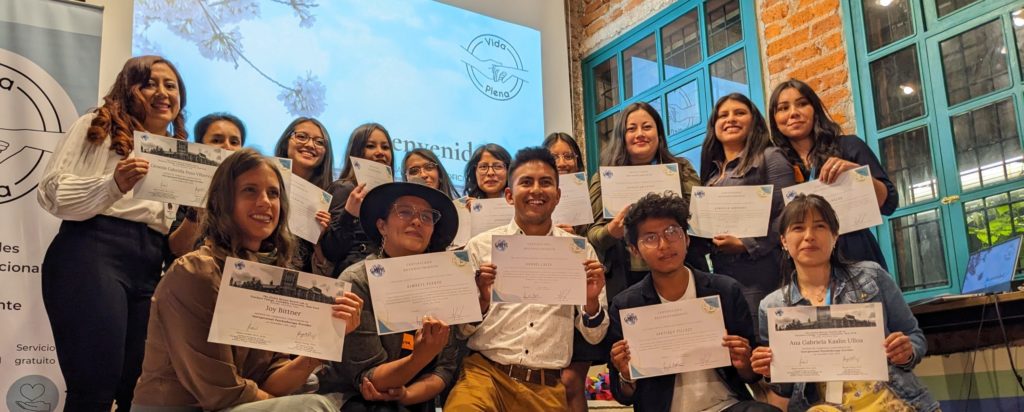
Reflections from the the first days of facilitator training
“Now we’re going to do a little exercise,” Ariel stands in the center of the small room, we sit shoulder to shoulder in a tight circle, the second day of on-boarding for the 11 new Vida Plena community facilitators. “Imagine you are about to head out on a long trip,...
OUR STORY
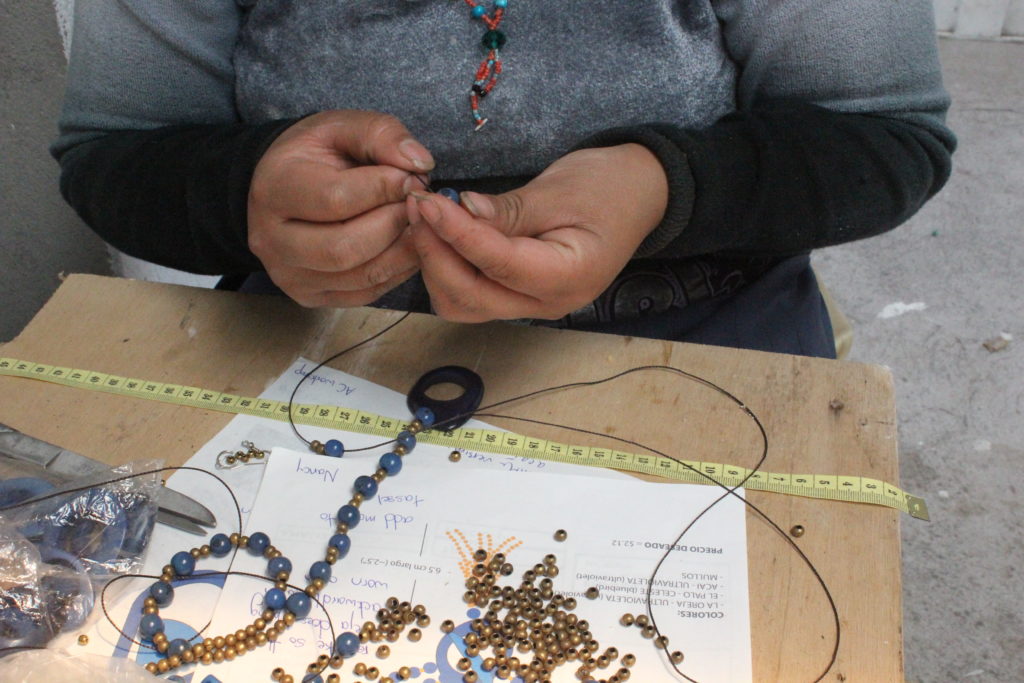
I sit alongside Maria, piles of colorful beads strewn out on the table before us. Looking through the glass window, I catch glimpses of the Andean volcano, Taita Imbabura – “Mother Imbabura” in Ecuadorian Kichwa. Slowly, in the space of hours and days spent together over the stretch of years, stories begin to be strung one at a time.
Maria lowers her eyes to the beads she’s threading, and her voice drops to a whisper. Because she doesn’t use terms like “mental illness,” “major depression disorder” or “suicidal ideation” the lasting pain and impact she describes from losing her husband feels more human, more tragic than when it’s hidden behind formal, clinical phrases.