How We’re Transforming Mental Health Care
We scale mental health care through three approaches: direct service (training facilitators), implementation partnerships (equipping governments), and learning & innovation (research / refinement). Here’s how these work in practice:

Community & Partner Training


Community Outreach & Partner Implementation

Community-led Support Groups & Ongoing Technical Support

Depression Reduced While Building Sustainable Mental Health Systems
How We’re Transforming Mental Health Care
We scale mental health care through three approaches: direct service (training facilitators), implementation partnerships (equipping governments), and learning & innovation (research / refinement). Here’s how these work in practice:

Community & Partner Training

Community Outreach & Partner Implementation

Community-led Support Groups & Ongoing Technical Support

Depression Reduced While Building Sustainable Mental Health Systems

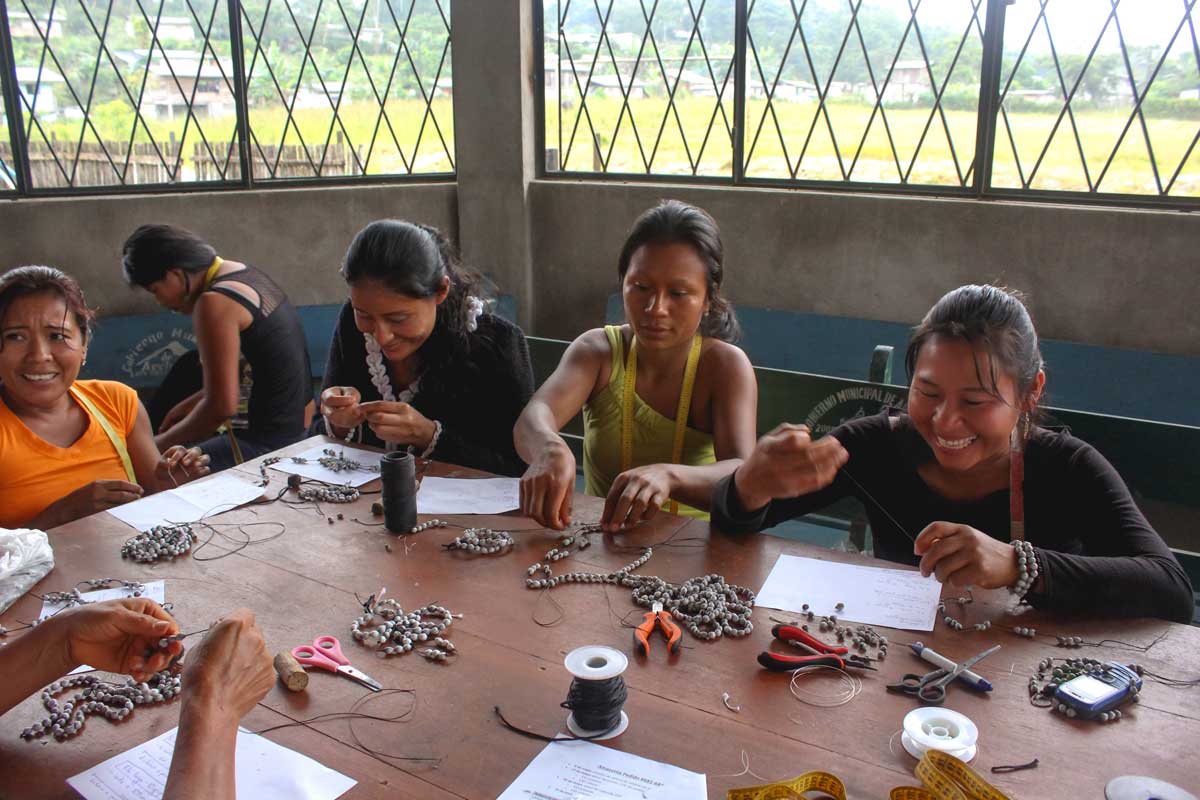
Community & Partner Training
Vida Plena trains non-specialist community members as support group facilitators.
The effectiveness of this approach has been demonstrated in multiple studies and recognized by mental health experts as a critical component needed to close the treatment gap in low and middle income countries.
Empowering local community members also brings the positive benefit of higher levels of acceptance by beneficiaries because the treatment comes from trusted individuals who personally know the community context.
Peer-led support groups have been shown to reduce the impacts of stigma.
Secondly, this program model increases accessibility, as groups meet in neighborhood locations such as schools and community centers.

Community Outreach & Partner Implementation
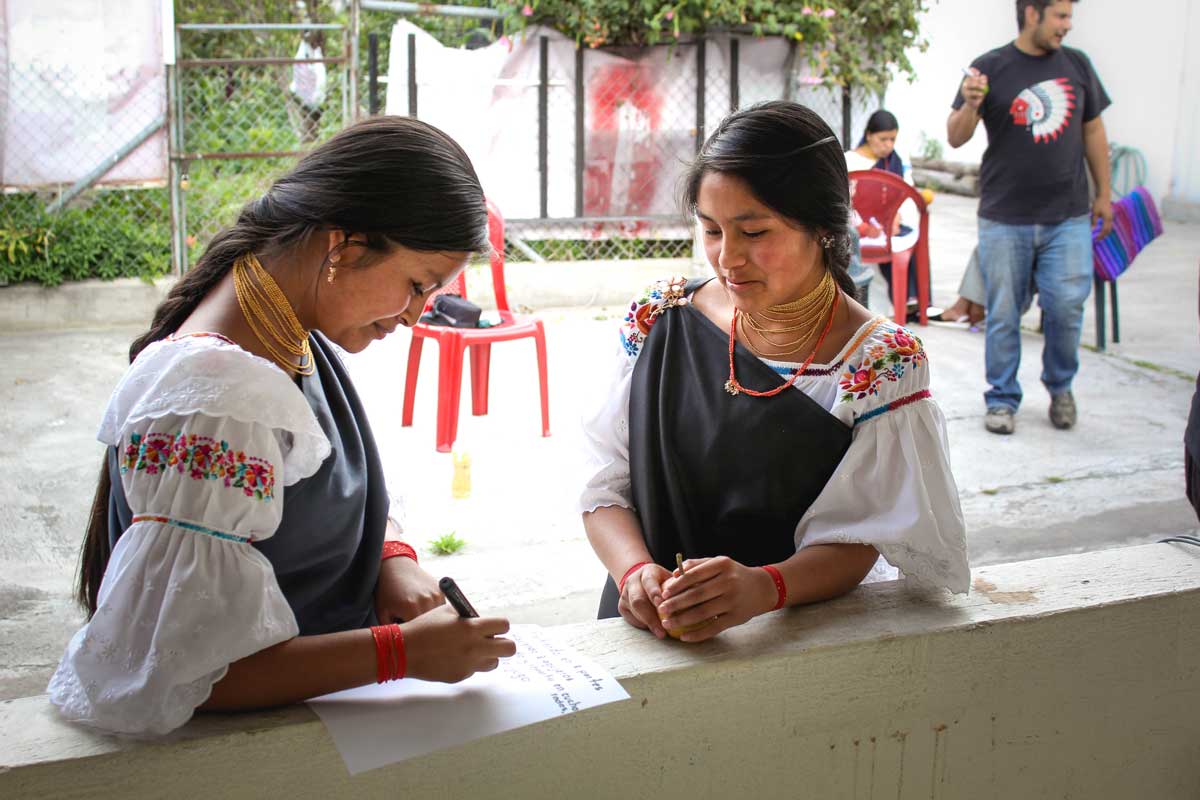
Vida Plena has partnered with a number of local non-profit organizations to conduct depression screenings to identify people in need of care.
Individuals who are identified as positive for symptoms of depression are invited to join a Vida Plena community-led support groups.

Community-led Support Groups & Ongoing Technical Support
After an initial consultation, people who choose to participate take part in 8 weekly group sessions, which are provided at no-cost. Support groups meet in local neighborhood locations, such as community centers.
People who do not improve or need more advanced care, are referred to partner mental health clinics to receive additional, professional treatment.
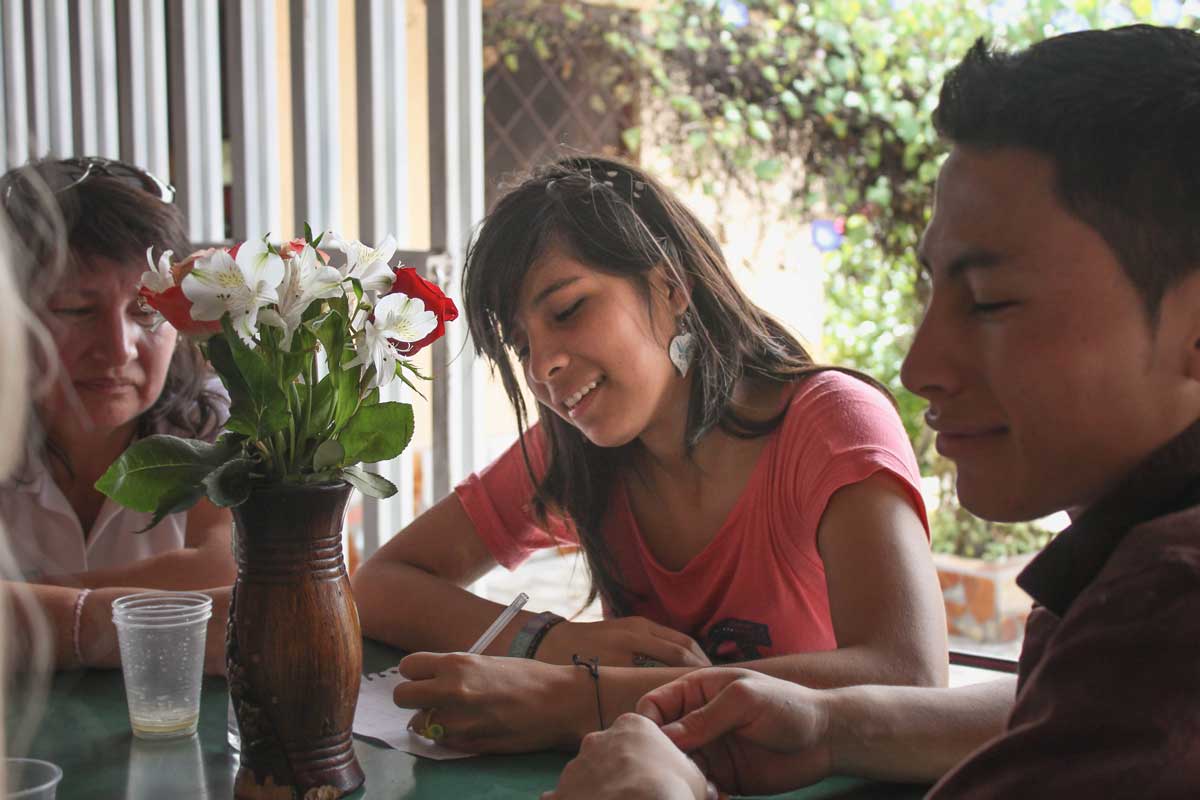

Depression Reduced While Building Sustainable Mental Health Systems
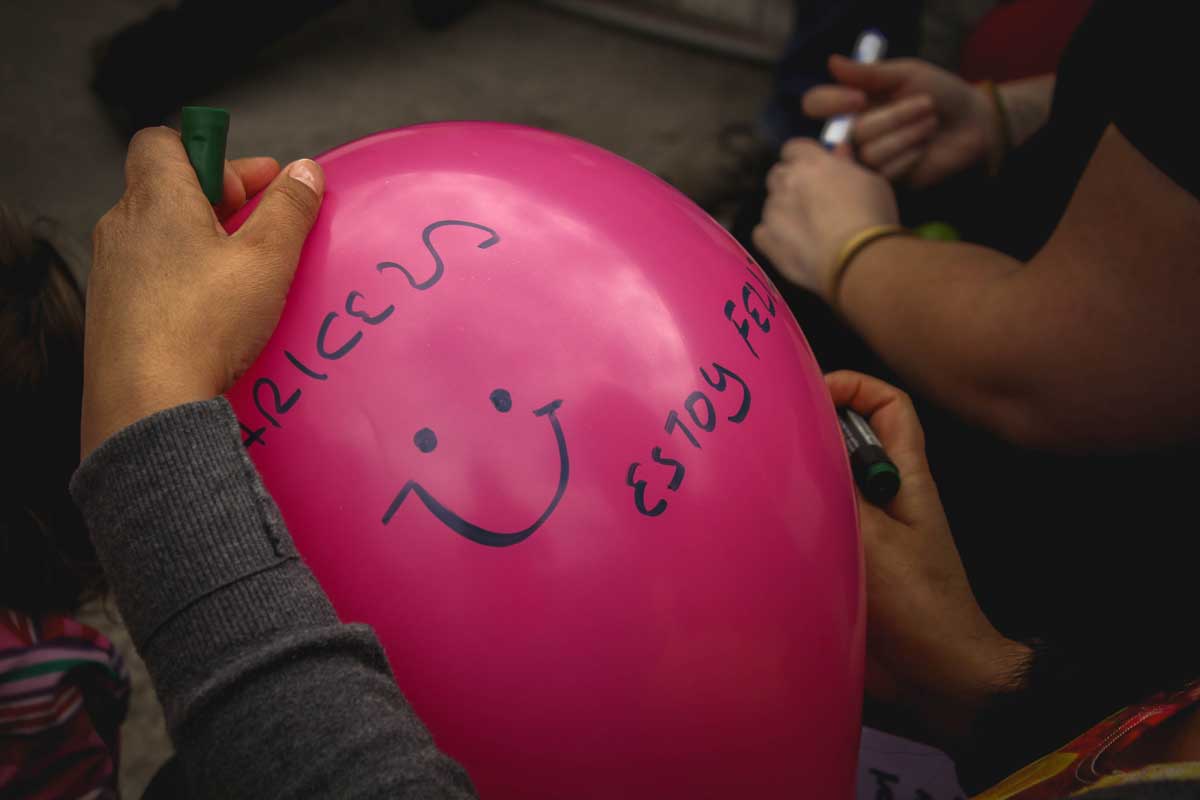
The goals of the group meetings are a rapid reduction in depression symptoms and improved relationships within the patient’s family and social networks.
Studies show that in addition to decreasing depression, IPT also positively affects recipients and their families by decreasing intimate partner violence, anger, and post-traumatic stress.
Finally, IPT-g has also been shown to be effective in different cultures around the world, having been implemented in Egypt, Kenya, Uganda, and Turkey.